
If you’ve scheduled a comprehensive eye exam at Hill Vision Services, you may wonder about eye dilation and what it involves. While dilated eyes can feel uncomfortable temporarily, this simple procedure provides your eye doctor with crucial information about your eye health. Here’s everything you need to know about eye dilation, including what to expect before, during, and after your appointment.
Why Do Eye Doctors Dilate Your Eyes?
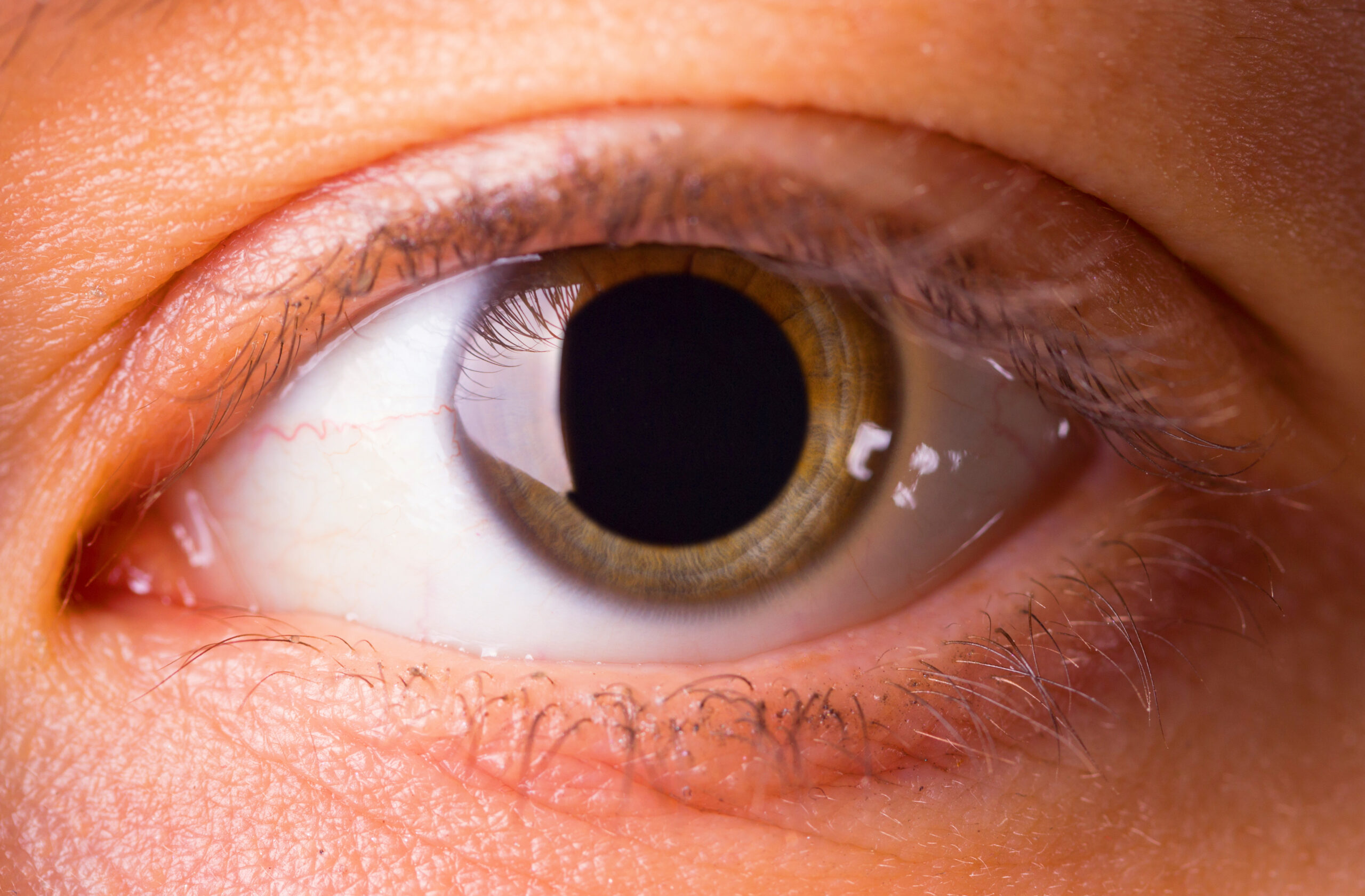
Eye dilation is a standard procedure that allows your ophthalmologist or optometrist to examine the internal structures of your eyes more thoroughly. During dilation, special eye drops temporarily enlarge your pupils, providing a wider view of the eye’s interior.
Your pupils normally change size based on lighting conditions—they get smaller in bright light and larger in dim light. Dilation overrides this natural response, keeping your pupils wide open regardless of the lighting around you. This enlarged opening gives your doctor a comprehensive view of structures that would otherwise be difficult to see.
The Diagnostic Value of Eye Dilation
Through dilated pupils, your eye doctor can examine:
The Retina: The light-sensitive tissue at the back of your eye that sends visual signals to your brain. Early detection of retinal tears, detachments, or damage is critical for preserving vision.
The Optic Nerve: This bundle of nerve fibers carries visual information from your retina to your brain. Changes in the optic nerve can indicate glaucoma, a serious condition that can lead to vision loss if left untreated.
The Macula: The central portion of your retina responsible for sharp, detailed central vision. Conditions like age-related macular degeneration can be detected during a dilated exam.
Blood Vessels: The blood vessels in your eyes provide clues about your overall health. Your doctor can identify signs of diabetic retinopathy, high blood pressure, or other vascular conditions.
Dilation is particularly important for detecting conditions that develop gradually without noticeable symptoms. Many serious eye diseases, including diabetic retinopathy and glaucoma, can progress significantly before causing vision problems. A dilated exam allows for early detection when treatment is most effective.
Who Needs Eye Dilation?
While not every patient requires dilation at every appointment, certain situations make this procedure especially important:
- First comprehensive eye exams, which establish a baseline for your eye health
- Annual exams for patients over 60, when age-related eye diseases become more common
- Patients with diabetes, as they face increased risk of diabetic retinopathy
- Anyone with a family history of glaucoma or macular degeneration
- Individuals experiencing sudden vision changes, flashes of light, or floaters
- Patients with high blood pressure or other conditions affecting the eyes
During your visit to Hill Vision Services in Creve Coeur, Lake St. Louis, or Glen Carbon, your doctor will determine whether dilation is necessary based on your individual health profile and eye care needs.
How Long Do Dilated Eyes Last?
The duration of eye dilation varies from person to person, but most patients can expect their pupils to remain enlarged for four to six hours after the drops are administered. Several factors influence how long the effects persist:
The Type of Drops Used: Different dilating drops have varying durations of action. Some medications wear off more quickly than others.
Your Eye Color: People with lighter-colored eyes (blue, green, or hazel) typically experience shorter dilation times than those with darker eyes. The amount of pigment in your iris affects how long the drops remain active.
Your Age: Children and younger adults often experience longer dilation times compared to older adults.
Individual Response: Everyone’s body processes medications differently, so your dilation time may be shorter or longer than average.
In most cases, your vision will begin returning to normal within a few hours, though you may notice lingering sensitivity to light even after your pupils have returned to their normal size. Full recovery typically occurs within 24 hours, though this is uncommon.
What to Expect During Dilation
The dilation process itself is straightforward and painless. Your eye doctor will place one or two drops in each eye. You may experience a slight stinging sensation that lasts only a few seconds. The drops usually take 20 to 30 minutes to take full effect, during which time you’ll wait comfortably in our office.
As your pupils begin to enlarge, you’ll notice increased light sensitivity and difficulty focusing on close objects. These effects are temporary and expected.
Can You Drive with Dilated Eyes?
While driving with dilated eyes is technically legal, we strongly recommend arranging alternative transportation for your appointment at Hill Vision Services. Dilation creates three main safety concerns: blurred near vision makes it difficult to read your dashboard or GPS, extreme light sensitivity can be temporarily disabling in bright sunlight or with oncoming headlights, and altered depth perception affects your ability to judge distances accurately.
The safest options for getting home include bringing someone who can drive you, using rideshare services, or taking public transportation. If you must drive, wait at our office until you feel comfortable, bring high-quality sunglasses, and stick to familiar routes during daylight hours. However, arranging a ride is always the better choice for your safety and others on the road.
What Not to Do After Eye Dilation
After your dilated eye exam, certain activities become more challenging or potentially unsafe. Here’s what to avoid:
- Driving (if possible), operating machinery, or using power tools until your vision recovers and you feel confident in your depth perception and light tolerance.
- Reading, computer work, or smartphone use for extended periods. Your ability to focus on close objects will be significantly impaired, causing frustration and eye strain.
- Spending time in bright environments without sunglasses. Your dilated pupils cannot protect your eyes from harsh lighting. Our staff can provide disposable sunglasses if needed.
- Making important visual decisions like selecting paint colors or purchasing furniture. Dilation can affect how you perceive colors and fine details.
- Rubbing your eyes, which can cause irritation and introduce bacteria.
- Wearing contact lenses for the rest of the day. Your eyes may feel dry or irritated, making glasses a more comfortable option until the next morning.
Planning Your Day Around a Dilated Eye Exam
Schedule your appointment for late in the day or before a day off when possible. Bring high-quality sunglasses with UV protection, confirm your ride home beforehand, and avoid planning activities requiring detailed vision for several hours afterward. While waiting for the drops to take effect, entertainment that doesn’t require sharp vision—like podcasts or music—can help pass the time.
When to Contact Our Office After Dilation
While dilation is a routine procedure with minimal risks, you should contact Hill Vision Services immediately if you experience any of the following after your appointment:
- Severe eye pain that worsens over time
- Vision that doesn’t begin to improve within 24 hours
- Increasing redness or swelling
- Discharge from your eyes
- Sudden vision loss or dramatic vision changes
- Symptoms of an allergic reaction, such as rash, difficulty breathing, or swelling
These symptoms could indicate a complication requiring prompt medical attention.
Special Considerations for Different Age Groups
Children and Teens: Young patients often experience longer dilation times and may be particularly bothered by light sensitivity. Extra patience and preparation can help them feel more comfortable. Our experienced staff is skilled at working with pediatric patients to make the exam as stress-free as possible.
Adults with Diabetes: If you have diabetes, dilated exams are especially crucial for monitoring diabetic retinopathy. Plan for potentially longer dilation times, as diabetic patients sometimes need stronger or additional drops for adequate pupil expansion.
Older Adults: Seniors may find dilation more uncomfortable due to age-related eye changes. However, regular dilated exams become increasingly important with age for detecting glaucoma, macular degeneration, and other conditions.
The Importance of Regular Dilated Eye Exams
While the temporary inconvenience of dilation may seem bothersome, the diagnostic benefits far outweigh the short-term discomfort. Many serious eye conditions develop silently, causing irreversible damage before symptoms appear. Regular dilated exams at Hill Vision Services protect your vision by enabling early detection and treatment.
For most adults, we recommend comprehensive eye exams with dilation every one to two years, depending on your age and risk factors. Patients with diabetes, a family history of eye disease, or other risk factors may need more frequent monitoring.
Schedule Your Comprehensive Eye Exam
At Hill Vision Services, our experienced ophthalmologists and optometrists provide thorough eye care using the latest diagnostic technology. We offer convenient locations in Creve Coeur, Lake St. Louis, and Glen Carbon to serve patients throughout the St. Louis area.
During your comprehensive exam, we’ll assess your vision, evaluate your eye health, and discuss any concerns you may have. If dilation is recommended, our staff will explain the process and help you prepare for the temporary effects.
Your vision is precious, and regular eye care is essential for preserving it throughout your life. Don’t let concerns about dilation prevent you from getting the comprehensive care you need. Our team is here to make your experience as comfortable as possible while providing the highest quality eye care.
Contact Hill Vision Services today to schedule your comprehensive eye exam. We’re committed to helping you maintain clear, healthy vision for years to come.
