Dry Eye Care & MGD Services
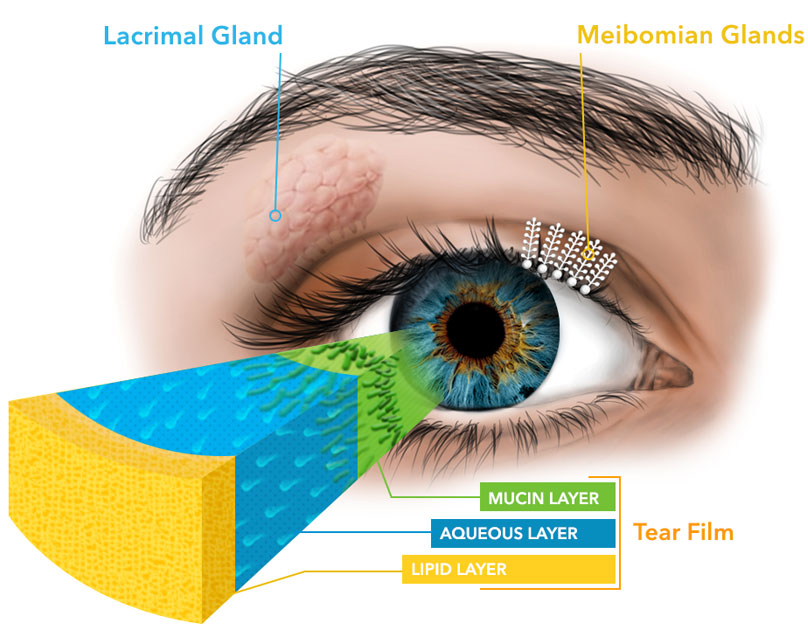
“Dry Eye” is a term used when a patient is either not producing enough tears or when the tear layer is not working properly to coat the surface of the eye and maintain adequate lubrication.
A large percentage of individuals are affected by symptoms of dry eye, and the condition often becomes worse with increasing age. If you are one of the millions of Americans who suffer from symptoms of blurry, fluctuating vision or pain and discomfort, pursuing treatment can prevent against ocular surface damage and other potential problems. At Hill Vision Services, we see and treat many patients with a range of dry eye symptoms, from mild to severe. We also receive referrals from many other area eye doctors for patients to be evaluated in our Advanced Dry Eye Clinic. Contact Hill Vision Services to speak with one of our St. Louis eye doctors today.
Dry Eye Care
There are many different reasons why patients may have a problem with tear function, including age, environment, allergies, menopause or other hormonal changes, oil gland dysfunction in the skin, systemic disease, and many medications, to name a few.
One of the most common reasons for dry eye is the blockage of the meibomian glands at the edge of the eyelids. Meibomian gland dysfunction, also known as MGD, means that the oil layer on the surface of the tears is not adequate, which can lead to symptoms like:
- Pain
- Burning
- Stinging
- Irritation
- Redness
- Unstable or fluctuating vision
MGD and dry eye, are progressive disorders that can become worse with time. This progression can lead to damage to the meibomian glands, which may become permanent, causing continued discomfort and vision problems.
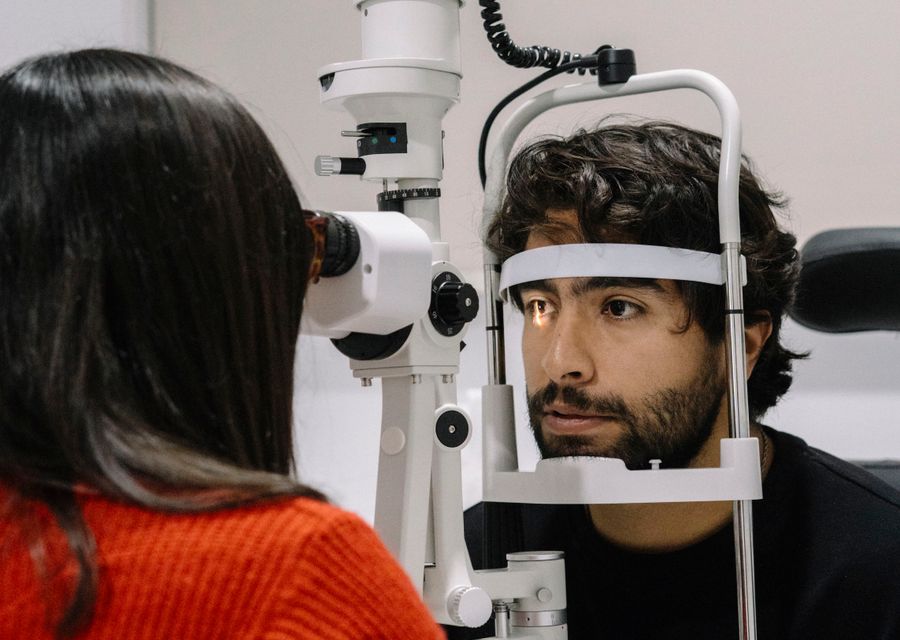
The first step in dry eye treatment is to determine the underlying cause or causes. Our experienced eye doctors at Hill Vision Services can check for signs of dry eye and MGD during a routine eye exam and offer effective treatments for these problems.
For patients who have more severe symptoms, we have developed an Advanced Dry Eye Clinic, in which patients receive a thorough examination and focused testing to determine the underlying causes. Once we are able to fully diagnose the problem, our doctors develop a personalized treatment plan for each patient that may involve one or a combination of the following treatment methods: preservative-free artificial tears or lubricant drops; prescription drops; eyelid hygiene methods; serum tears; recommendations for environmental or medication changes; punctal plugs; and oral prescription medications or supplements.
Learn More about Dry Eye and MGD