Glasses and Contact Lenses
Common Questions About Contact Lens Care
February 19, 2026
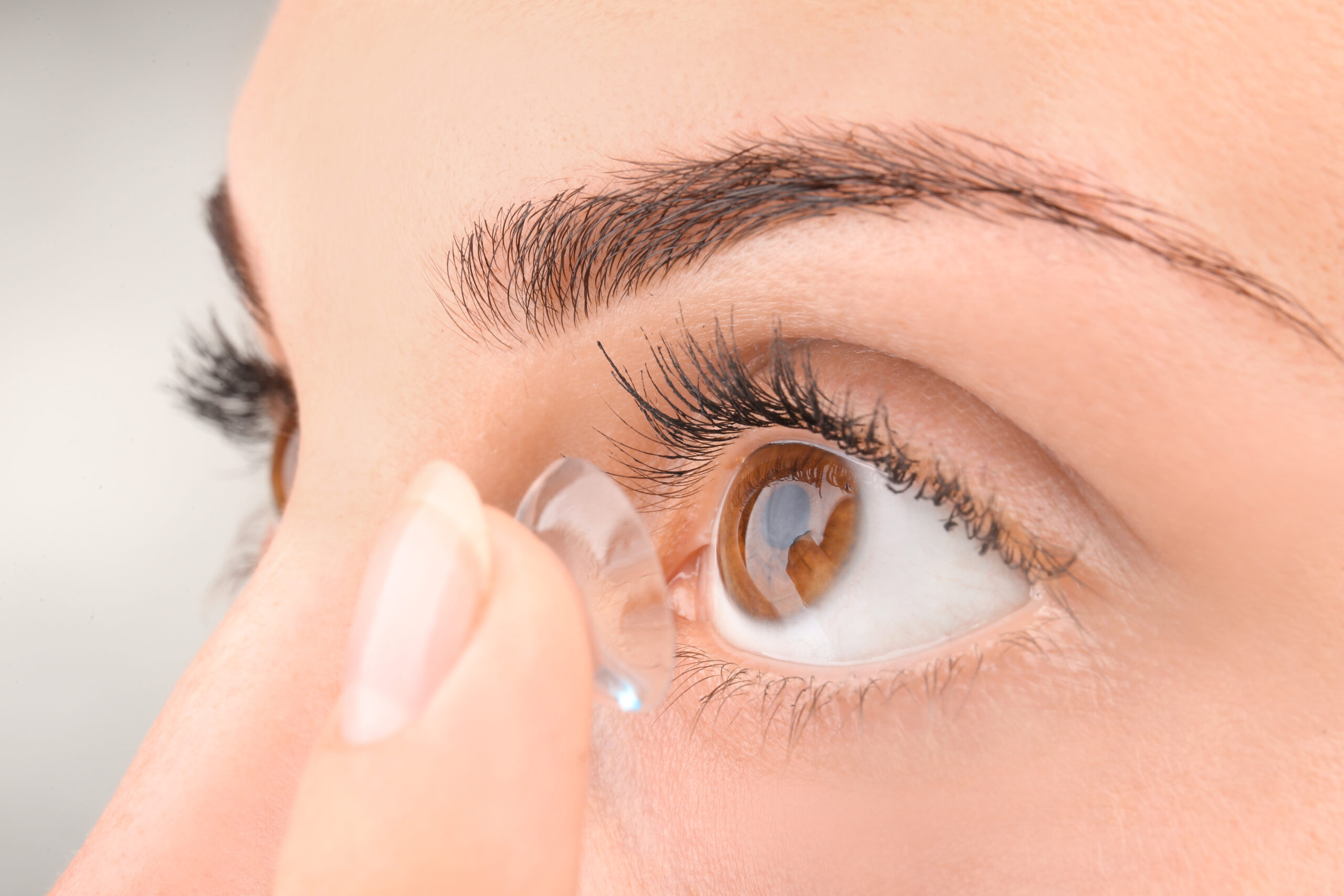
Contact lenses offer a convenient alternative to traditional eyeglasses, providing clear vision without the hassle of frames. However, many…
Read More
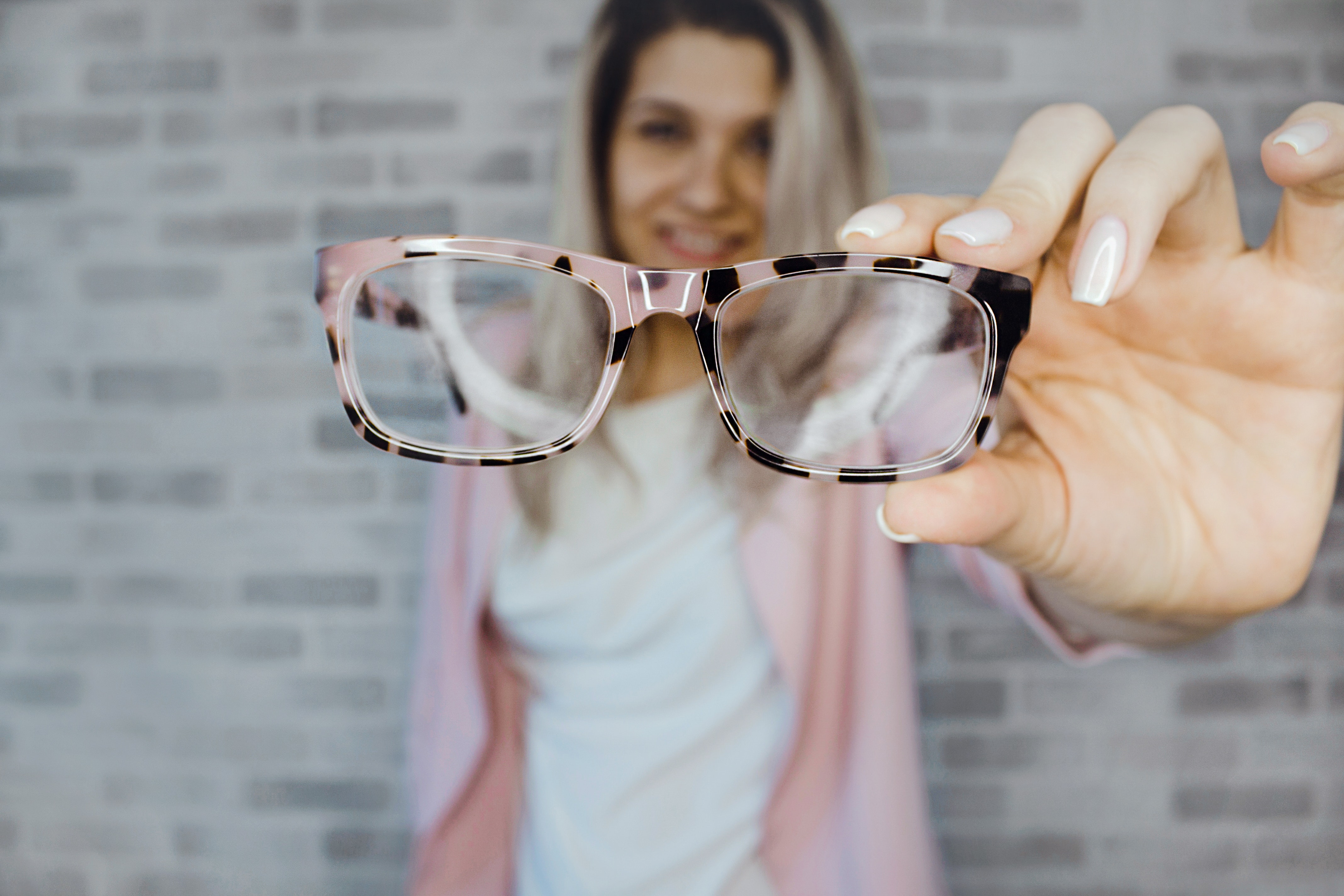
“If I start wearing glasses, will my eyes get weaker?” This is a question we get asked all the time, and the short answer is no. Glasses correct blur caused by the shape and focusing power of the eye. They do not make the eyes dependent or weaker, and they do not damage vision. That said, we understand why this concern exists. To help settle your fears, this blog will delve further into why this myth persists, what the research says for kids and adults, and how to keep your eyes comfortable. You will also find practical advice on when to update a prescription and how Hill Vision can help.
After having your glasses on all day, taking them off can make blurred vision feel more noticeable. Your brain adjusts to sharp focus and treats it as the new normal, which can create the impression that your eyesight has declined. But rest assured, properly prescribed glasses do not weaken eyes or cause disease. A new prescription also comes with a short adjustment period. You might feel slightly off, notice minor edge distortion, or feel eye fatigue as your visual system recalibrates. That is adaptation, not damage. If discomfort lasts beyond a few days, have the fit, lens centration, and prescription checked. An outdated or incorrect prescription can cause strain and headaches, but not permanent harm. Keep in mind that eyes change naturally with growth and age. Myopia can progress through the teen years, and presbyopia in the 40s makes near tasks harder. Those shifts come from biology, not from wearing glasses.
In childhood and the teen years, the eyes are still growing, which means vision and prescription needs can change. Glasses are not to blame. Instead, the right prescriptions can help bring the world into focus so a child can learn and play safely. In midlife, the lens inside the eye becomes less flexible, a normal change called presbyopia that makes near work harder. Reading glasses, progressives, or multifocal contacts restore clear focus and do not weaken the eyes. Even after LASIK, many people still use readers because surgery reshapes the cornea, not the aging lens.
Definitely! An incorrect or out-of-date prescription can lead to eye strain, headaches, and visual fatigue, especially with long reading or computer sessions. Those symptoms are uncomfortable, but they do not permanently harm your eyes. If your new glasses do not feel right, it’s important to have the prescription, lens centration, and fit checked by your eye doctor
As indicated above, glasses will not make your vision worse, but the wrong prescription or incorrect fit can cause problems. If you are having any of the following issues, consider booking an eye exam:
Routine exams do more than fine-tune prescriptions. They also screen for glaucoma, cataracts, macular degeneration, and diabetic eye disease, so problems can be addressed early.
At Hill Vision Services, we provide comprehensive exams, precise prescriptions, and guidance based on your daily life and goals. Our doctors care for everything from dry eye to complex corneal and retinal issues, and we support both surgical and nonsurgical vision correction. If you have questions about your glasses or your child’s vision, we are here to help. Request an appointment or give us a call. We will check your prescription and talk through options that keep your vision clear and comfortable.
Contact lenses offer a convenient alternative to traditional eyeglasses, providing clear vision without the hassle of frames. However, many…
Read MoreRecently, blue light glasses have become an incredibly popular way to mitigate the harmful effects of blue-violet light rays. As these…
Read MoreAstigmatism, which causes blurry vision and eye discomfort, affects millions of Americans, often impacting their daily activities. Even…
Read MoreType to search across services, conditions, doctors, FAQs and resources.